The Three-Pint Audition: Governing the Pub Sit-In Without Losing the Room

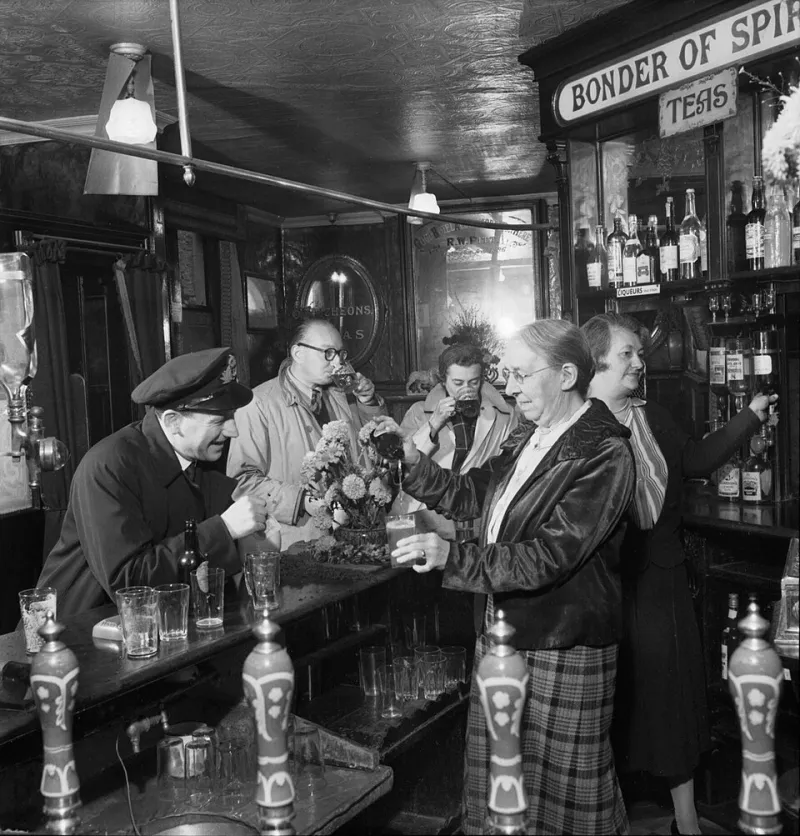
Photo: Stephen Craven, CC BY-SA 2.0, via Wikimedia Commons
There is a precise moment in every pub gig when the room stops being an audience and starts being a committee. You are midway through the second set, the cask ale is doing its work, and a regular in a fleece has appeared at the edge of the stage holding a harmonica case like it is a warrant card. He has a request. The request is him.
This is not a crisis. It is a protocol problem. Handled badly, you lose control of the set, the singer loses the thread, and the drummer spends the next song glaring at you through the ride cymbal. Handled well, you gain a story, a loyal punter and possibly a free pint at the bar. The trick is to treat the sit-in like a pub quiz tie-breaker: brief, bounded and slightly ridiculous.
First, Separate the Instrument From the Ambition
The harmonica is not the problem. The tambourine is not the problem. The crumpled lyric sheet for a song your band has never rehearsed, however, is a declaration of war. Before you say a word, clock what is actually being proposed.
There are three species of sit-in. The Harmonica Bloke wants eight bars and a bit of applause. The Tambourine Enthusiast wants to be seen participating, preferably near the singer. The Full Set Merchant has a mate filming and intends to become the main event. The first two can be absorbed. The third needs the gentle but firm hand of a landlord ejecting a man from the fruit machine.
Your opening line should be warm, loud enough to carry over the chatter, and vague enough to buy thinking time: “Give us a minute, mate, we’re just sorting the next one.” That sentence has saved more pub sets than a spare jack lead.
The One-Song Amnesty
Adopt a standing policy and announce it from the stage early in the night. One song, one guest, one chance. It sounds generous, it gets a cheer, and it quietly establishes that you are not running an open mic. The amnesty is not a negotiation. It is a benign dictatorship with a setlist.
When the regular asks, agree to one tune only if three conditions are met: you know the song, he knows the key, and the landlord is not currently carrying a tray of pints through the gap where he intends to stand. If any of those fail, the answer is a cheerful “next time” and a move straight into the next number before the conversation develops legs.
The one-song rule also protects the band’s dignity. A guest who is brilliant for three minutes is a legend. A guest who is brilliant for three minutes and then insists on a second is a hostage situation. Have the singer ready with a closing line: “Give him a hand, that’s your lot, we’re back to the racket.”
Safe Keys and Unsafe Keys
Harmonica players are famously relaxed about key. The band is not. If you are going to allow it, pick a song in a comfortable, familiar key and tell the guest plainly. G, A and D are the pub-harmonica comfort zone. E flat is where dreams go to die. If he claims he can play anything, ask him to play the first line in the key you have chosen. His face will tell you everything.
For tambourine, the safe key is “on the beat.” For the lyric-sheet merchant, the safe key is “no.” There is no shame in a polite veto. You are not a backing band for a man’s birthday anecdote.
Protect the Gear, Protect the Set
Before any guest steps up, move the pedalboard. Move the spare mic. Move the pint. A sit-in is a small, controlled explosion, and your job is to make sure it happens away from the expensive bits. Point the guest to a clear patch of floor, hand over a mic that is already switched on, and keep your own instrument strapped on. Do not hand over your guitar. Do not hand over your sticks. Do not hand over your dignity; it is harder to tune.
Tell the drummer the plan in advance. A single nod is worth three minutes of stage negotiation. If the guest starts drifting, the drummer has permission to bring the song home with the subtlety of a closing-time bell.
Turn the Trainwreck Into the Story
A sit-in that goes slightly wrong is not a failure. It is content. The harmonica player who comes in early, the tambourine that falls apart during the chorus, the lyric sheet that turns out to be for a completely different song — these are the moments people mention at the bar afterwards. Your job is to keep the song moving, keep the grin on your face and keep the set on the rails.
If it goes well, say so. If it goes badly, say so faster. A quick “that’s how we do it in the public bar” covers a multitude of sins. The regular gets his moment, the room gets a laugh, and you get to finish the night as the band rather than the backing track to someone else’s hobby.
The Exit Line That Saves the Night
Have one sentence ready for the end of every sit-in: “Right, he’s had his go, normal service resumed.” Deliver it with a smile and immediately count in the next song. Do not leave a gap for a second request. Do not ask the room if anyone else fancies a go. The three-pint audition is over. The bar is still open, the cask is still on, and the next song is yours.