Yellow Card for the Jukebox: A Pub-Band Guide to the Drunk Request Ambush
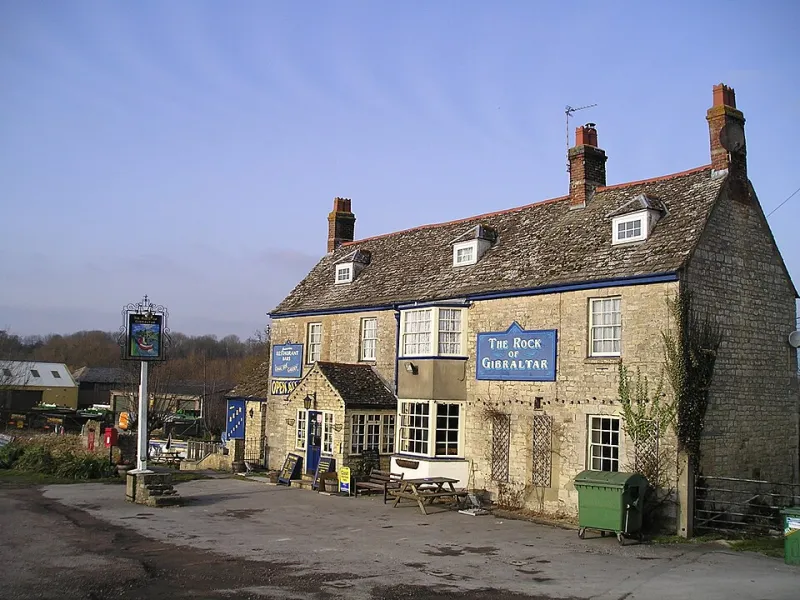
Photo: canalandriversidepubs co uk , CC BY-SA 2.0, via Wikimedia Commons
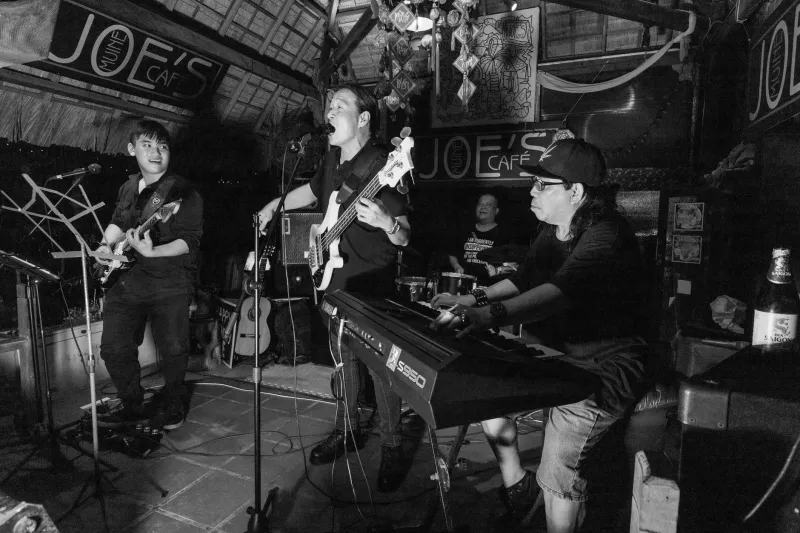
There is a beautiful, terrible moment in every pub gig when the audience stops being an audience and becomes a committee. Usually it happens somewhere between the third pint and the second chorus, when a voice from the back shouts a song title with the confidence of a man who has never been told 'no' by a landlord, a band or a karaoke machine. The request has arrived. The room turns to see what you will do. Freddie & The Freeloaders have been on both sides of this exchange, and the only reliable conclusion is that a pub set is not a democracy. It is a slightly sweaty constitutional monarchy, and the band is wearing the crown.
That does not mean you ignore the shouty bloke near the fruit machine. It means you referee him. You need a whistle, a sense of theatre and a plan that keeps the gig moving, the landlord smiling and the request merchant from becoming the support act.
First whistle: the setlist is not a suggestion box
Before the first chord, make a small, cheerful declaration. Something like: 'We are your band for the next ninety minutes. Requests are welcome, but they must be submitted on a beermat, in legible handwriting, with a drawing of a dog.' It gets a laugh, sets the tone and quietly establishes that you are not a jukebox with legs. The trick is to be firm without being precious. Nobody came out to watch a band sulk about song selection. They came out for rowdy riffs and a pint, and you are the supplier of at least one of those.
Have a standard line ready for the first shout. 'We will get to that if the room behaves' works surprisingly well. So does 'That one is in the van, and the van is emotionally closed for the evening.' The important thing is to acknowledge the request without handing over the steering wheel. A band that stops mid-song to negotiate has already lost the room to the bloke in the corner with the strong opinions and the stronger breath.
Know your request species
The drunk request is not one creature. It is a small ecosystem, and each type needs a different approach.
The Nostalgia Merchant wants the song that made every pub wedding since 1997 feel enormous. You know the ones. If you play them, you must commit. If you do not, offer a deal: 'We will do a chorus if you buy the band a drink and promise not to start a conga.' Sometimes the chorus is enough. Often the promise is not, but at least you have bought yourself a verse.
The Deep Cut Diplomat wants the B-side from an album nobody in the room owns except him and possibly his brother. He is not aggressive, just hopeful, and he will look genuinely wounded when you say no. Be honest. 'We have never learned that one, but we can do something from the same decade that will annoy everyone equally.' Honesty lands better than a bluff, especially when the bluff is followed by a guitar solo in the wrong key.
The Jukebox Overlap is the punter who requests a song that is already on the pub jukebox, usually because he has fed a pound coin into it and now believes he has produced the evening. Do not fight the machine. Point at the speakers, nod respectfully and say, 'The jukebox has already called that one. We are not getting into a bidding war with a Wetherspoons.' If the landlord is game, you can even join the chorus from the stage. It makes you look generous, and it keeps the machine from winning the encore.
Cards, whistles and theatrical deflections
A little pantomime goes a long way. Freddie & The Freeloaders have long believed that a laminated yellow card is cheaper than a therapist and far more effective than shouting back. Show it for a request that arrives during the quiet bit. A red card is for the punter who asks for a song you have already played twice, or who requests a tune by a band that split up before the landlord was born. Do not actually eject anyone unless the landlord asks. The cards are a joke, but the joke carries a message: this is a gig, not a phone-in.
Another useful tactic is the Request Amnesty. At the break, announce that all requests must be submitted now, and that anything shouted during the second set will be treated as a dedication to the dartboard. Write them down. Read one out. Laugh at it. Then play the ones that fit and bury the rest in the setlist graveyard. The audience feels heard, and you have kept control of the running order.
The 'one more' protocol
No phrase in pub rock is more dangerous than 'one more'. It is usually shouted by someone who has already had one more, and who believes the band’s contract with the venue includes an infinite loop of 'Sweet Caroline'. Agree with the landlord before the gig what the finish line looks like. If there is time for one more, play one more. One. Not two. Not a medley of every request shouted since the first pint. The second encore is how bands end up playing to three people and a mop.
When the shout comes, use the clock. 'The landlord says the bar is closing, and he is bigger than all of us.' It is a shared enemy, it is usually true, and it lets you leave the stage as a hero rather than a hostage. If the room is still roaring, offer the merch table instead. 'We cannot play another song, but we can sell you a T-shirt that smells faintly of amplifier.' It is not the same as an encore, but it is close enough for rock and roll.
Sometimes, just play the song
Refereeing does not mean refusing everything. If the request is easy, safe and likely to make the room bounce, play it. Reward good behaviour. A band that never takes a request can start to feel like a lecture with drums. The art is in the selection: play the shout that fits the moment, not the one that fits the shouter’s ego. If someone requests a song you genuinely cannot play, say so with a grin and move on. The room will forgive honesty far faster than it will forgive a sulk.
The drunk request is not the enemy. It is the price of playing rowdy pubs, along with sticky carpets and the smell of old lager. Handle it like a referee: blow the whistle early, keep the cards handy and never let the crowd pick the final score. Then pack up, drink your pint and leave the jukebox to its own devices.