Ten Commandments for the Support Slot, Written in Sweat and Spilt Beer
Photo: Mostafameraji, CC BY 4.0, via Wikimedia Commons
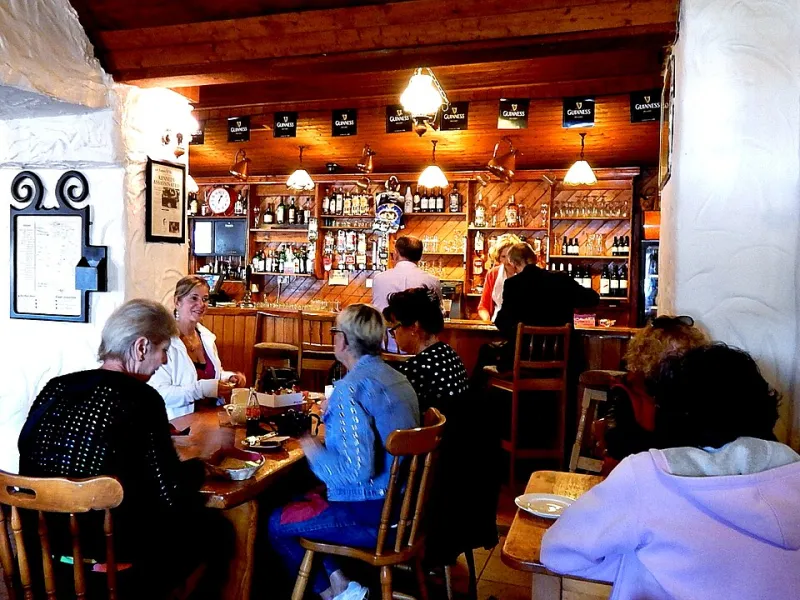
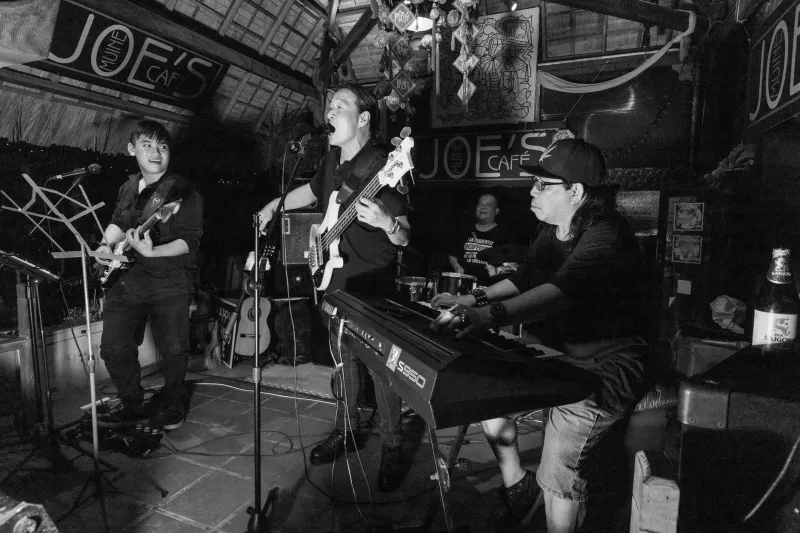
The support slot is the hardest gig in music. Not the biggest, not the loudest, just the hardest. You walk on at 8:15 to a room that is half-full, half-cut and entirely committed to somebody who isn't you. The bar queue is at its worst. A group near the front is loudly discussing a parking app. And you have got twenty-five minutes to change the temperature of the room.
Do it well and you leave with fifty new names on a mailing list. Do it badly and you leave with a story about the time nobody clapped. Here's how to be in the first camp.
Rule Zero: The Room Owes You Nothing
Get this into your head before anything else. Nobody paid to see you. Nobody has heard your single. The room is not hostile — it's indifferent, which is actually worse and much easier to fix. Indifference responds to energy, brevity and a decent opening thirty seconds. Hostility doesn't. So stop sulking about the chatter and start earning the quiet.
1. Ask for Your Set Length, Then Cut Five Minutes
If the promoter says 30, prepare 25. If they say 25, prepare 20. This is not defeatism, it's professional courtesy, and it means you never get the tap on the shoulder from a sound engineer who has already been generous with you. Overrunning is the fastest way to lose the headliner's respect and the promoter's phone number.
2. Open With the One That Hits
Not the slow builder. Not the seven-minute epic with the spoken-word middle section. Your opener is a handshake, not a manifesto. Pick the song that gets to the chorus inside forty seconds and means something by the time it lands. You can be artistic in the middle of the set, once people have decided to stay.
3. Tune Before You Walk On
There is no fourth wall in a pub gig and nobody wants a four-minute cabaret of you going 'sorry, sorry, one more'. Tune backstage. Have a spare guitar if you can. And if a string goes, keep the song going or make a joke about it and move on — the audience forgives a broken string far faster than they forgive a band who stop having fun.
4. Talk Less, But Talk Better
You get roughly three between-song bits and no more. Use them for something that makes a stranger like you: a name check for the headliner, a genuinely funny line about the venue's carpet, a fast thank-you. Don't do a five-minute stand-up set about your band's journey. Don't do a bitterness bit about the door split. Nobody came for the monologue.
5. One Cover, and Make It a Left Turn
One cover is a hand out to the room. Two is a tribute act. Three is a pub band. Pick something nobody expects — an Eighties pop banger slowed to a sludge riff, a Northern soul classic played far too fast — and make it yours within eight bars. Nobody is impressed by a note-perfect rendition of a song they've heard a thousand times. They are impressed by a band who clearly think about music for a living.
6. Play to the Back Wall, Not Your Mates
Your mates are down the front, shouting your name, filming badly on a phone that's covering the singer's face. Ignore them. Play to the back of the room, to the group by the fruit machine, to the bloke with his arms folded who hasn't decided yet. That bloke is worth more than ten mates who were always going to be there.
7. Never Slag Off the Headliner, the Venue or the Engineer
Bands do this constantly and it never sounds like the wry confidence they think it does. It just sounds nervous and a bit mean. Thank the promoter. Thank the sound person by name. Say the headliner's record is out and worth buying, and mean it. Word travels through a local scene faster than any press release.
8. Set Up and Get Off Quickly
Know your changeover. Two minutes in, two minutes out, no wandering around uncoiling a cable while the crowd watches. Before you play, confirm where the drum riser sits and who's got the DI box. After you play, get the kit off the stage before the headliner's crew start doing it for you. Fast bands get rebooked. Faffing bands don't.
9. Work the Merch Table Like a Person, Not a Pop-Up Shop
Be there for the interval. Stand up, don't sit behind a phone. Learn the price of your own shirt. Take contactless but keep a fiver in change. Swap the gig opener — 'what do you reckon of the headliner, first time seeing them?' — before you pitch anything. If someone buys, sign it and say thank you properly. If someone doesn't, don't do the face.
10. Finish on the Hum-Able One, Then Exit
End with the song an audience can whistle in the smoking area. Not your heaviest, not your most complicated — the catchiest. Say thank you once, tell them the headliner's on at nine, and get off. The best support sets feel ten minutes too short. The worst feel like a hostage situation.
The Only Rule That Matters
Twenty-five minutes is not a punishment, it's a trial run. Played right, it's the cheapest audition for a room full of people who might come back next time specifically for you. Freddie's band once played to eleven people and a dog on a Tuesday, left them humming, and got a 200-capacity headline slot off the back of it. Energy, brevity and a decent finish. Everything else is detail.